

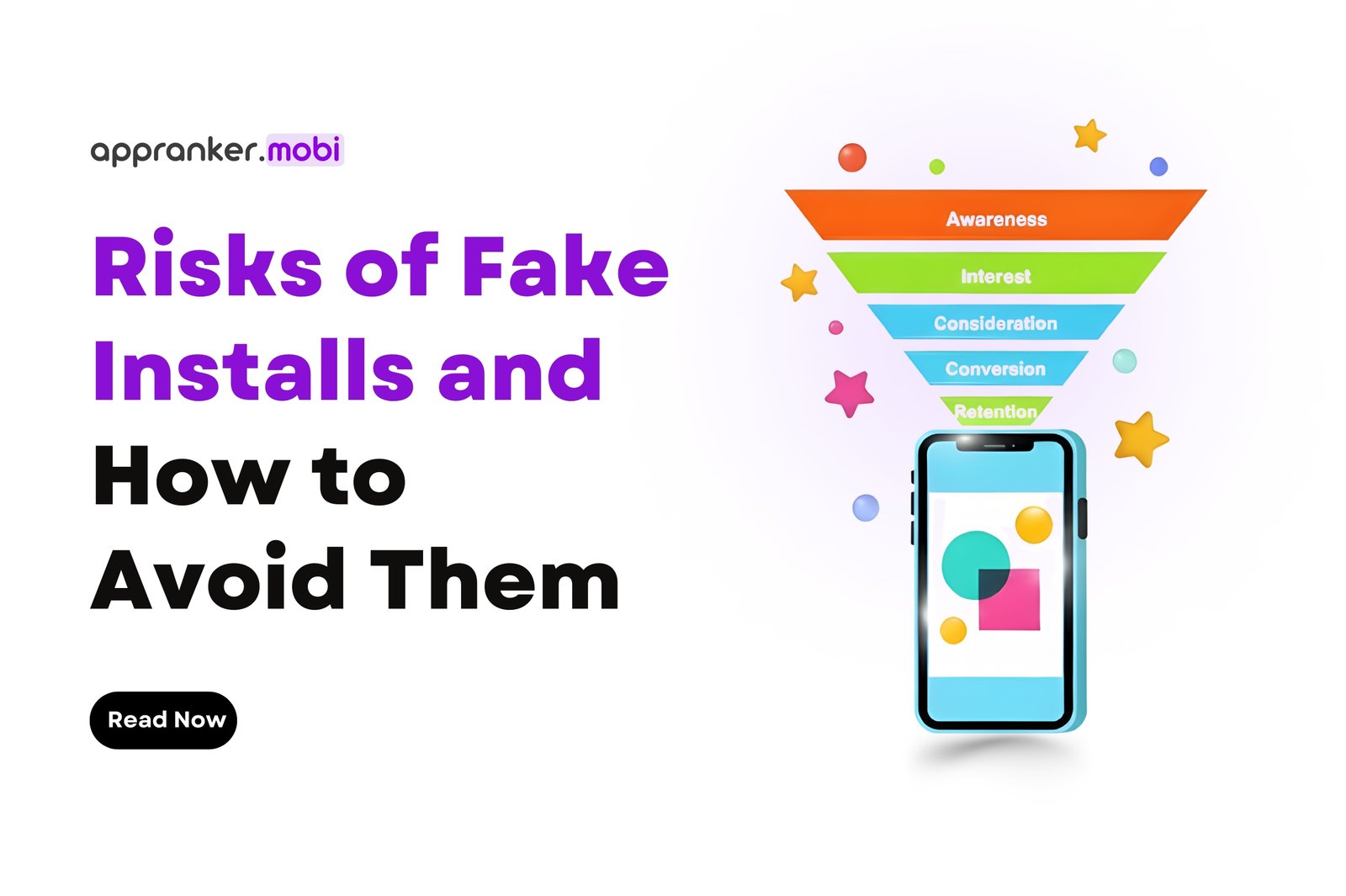

Mobile App Marketing Funnel Explained
Growing a mobile app isn’t just about getting installs. Many apps attract users but fail to retain them, monetize them, or turn them into loyal advocates.
This is where the mobile app marketing funnel becomes essential.
Understanding how the funnel works helps teams identify where users drop off, which strategies drive growth, and how to build a scalable app marketing system.
This guide explains the mobile app marketing funnel stage by stage and how each phase contributes to sustainable app growth.
What Is a Mobile App Marketing Funnel?
The mobile app marketing funnel is a framework that maps a user’s journey from first discovering an app to becoming an engaged, long-term user.
Unlike traditional funnels, app funnels continue after install, focusing heavily on:
-
Engagement
-
Retention
-
Monetization
Each stage of the funnel plays a unique role in growth.
Stages of the Mobile App Marketing Funnel
1. Awareness Stage
At this stage, potential users first discover your app.
Common awareness channels include:
-
App Store search (ASO)
-
Paid ads
-
Social media
-
Influencer mentions
-
Content marketing
The goal is visibility — making sure the right users know your app exists.
2. Acquisition Stage
Acquisition focuses on converting awareness into installs.
Key acquisition touchpoints:
-
App Store listing
-
App icon and screenshots
-
Reviews and ratings
-
Messaging clarity
High-quality acquisition ensures users install with the right expectations.
3. Activation Stage
Activation happens when users experience the app’s core value for the first time.
This stage depends on:
-
Smooth onboarding
-
Clear value demonstration
-
Reduced friction
-
Quick “aha” moment
Strong activation increases the likelihood that users continue using the app.
4. Engagement Stage
Engagement measures how frequently users interact with your app.
Engagement strategies include:
-
Push notifications
-
In-app messages
-
Feature discovery
-
Personalization
Apps with strong engagement see better retention and monetization outcomes.
5. Retention Stage
Retention is one of the most critical stages of the mobile app marketing funnel.
It reflects:
-
Day 1, Day 7, Day 30 retention
-
Session frequency
-
Long-term usage patterns
High retention signals product-market fit and strengthens app store rankings.
6. Monetization Stage
Monetization turns active users into revenue.
Common monetization models:
-
Subscriptions
-
In-app purchases
-
Ads
-
Freemium upgrades
Successful monetization balances revenue generation with user experience.
7. Referral and Advocacy Stage
Satisfied users become promoters.
Referral strategies include:
-
Referral programs
-
Incentivized sharing
-
Social proof
This stage creates a loop where existing users drive new users into the funnel.
Why the Mobile App Marketing Funnel Matters
Without a clear funnel, teams often focus only on installs.
The mobile app marketing funnel helps:
-
Identify drop-off points
-
Allocate budgets efficiently
-
Improve conversion at each stage
-
Scale growth sustainably
Optimizing one stage without understanding others often limits results.
How ASO Fits Into the Funnel
App Store Optimization impacts multiple funnel stages:
-
Awareness (search visibility)
-
Acquisition (conversion rate)
-
Retention (right user intent)
ASO is not just an acquisition tactic — it influences the entire funnel.
Common Funnel Mistakes App Teams Make
-
Overinvesting in paid installs
-
Ignoring onboarding and activation
-
Measuring installs instead of retention
-
Not aligning messaging across stages
-
Treating growth as linear
Most funnel issues come from misalignment, not lack of traffic.
Measuring Funnel Performance
Key metrics by stage:
-
Awareness: impressions, reach
-
Acquisition: install conversion rate
-
Activation: onboarding completion
-
Engagement: session frequency
-
Retention: cohort retention
-
Monetization: LTV, ARPU
Tracking these metrics reveals where optimization is needed.
Final Takeaway
The mobile app marketing funnel is not a one-time setup — it’s a continuous growth system.
Apps that understand and optimize every funnel stage:
-
Attract the right users
-
Convert efficiently
-
Retain longer
-
Monetize sustainably
When treated as an interconnected system, the mobile app marketing funnel becomes the foundation for predictable and scalable app growth.